Moving to Da Nang: Complete Expat Guide
Updated 7 November 2026
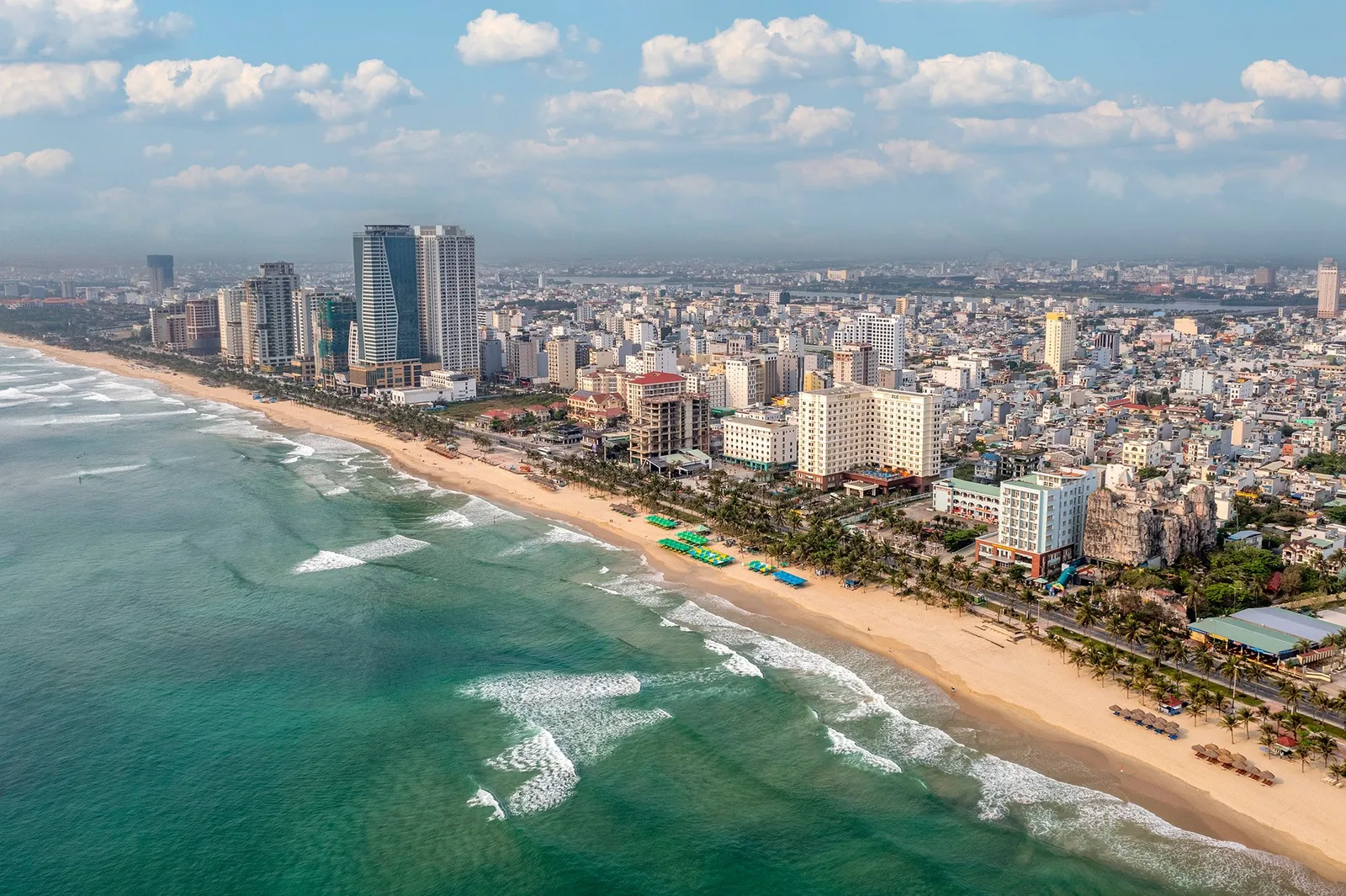
Moving to Da Nang works best in three stages: decide whether the city fits your life, plan your budget and paperwork from official sources, then arrive in short-term housing and choose a long-term home once you have seen the areas in person. This guide is the overview. Each step links to a more detailed guide.
Is Da Nang a fit for your lifestyle?
Da Nang is a mid-sized coastal city with a long beach inside the city and an international airport close to the centre. Many foreigners choose it for an outdoor routine and a calmer pace than Hanoi or Ho Chi Minh City.
Use this decision guide before you book anything:
| Question | If yes | If no |
|---|---|---|
| Do you want the beach or outdoors in your daily routine? | Da Nang is a strong match; start with the beach-side areas | Consider whether a bigger city suits your work better |
| Can your work be done remotely, or do you have a job offer here? | Check the legal basis for your stay (below) | Research local work options before committing |
| Can you handle heat, humidity and a rainy season? | Plan your move outside the wettest months if you can | Visit first in the season you find hardes |
| Will you drive a motorbike, or rely on ride-hailing apps? | Wider choice of areas | Live where shops and work are walkable |
| Are you moving with children or pets? | Read the family and pet guides before choosing an area | Smaller apartments and central areas become easier |
Estimate your living budget
Build your budget from three parts: housing (rent, utilities, deposit), daily life (food, transport, phone, health insurance), and one-off setup costs (flights, visa fees, the first weeks of short-term housing).
Housing is usually the biggest part and the easiest to check. See current asking prices on our listings by area and number of bedrooms. Our guide to the cost of living in Da Nang for foreigners breaks the rest down.
Research areas and temporary accommodation
Book two to four weeks of short-term housing for your arrival, in the area you think you will like. Use that time to walk the streets, test your commute, and view long-term rentals in person.
Our guide to the best areas to live in Da Nang for expats compares neighbourhoods by daily routine. You can also browse homes in An Thuong, My Khe, Son Tra and Hai Chau.
Since 1 July 2025 Da Nang has been merged with the former Quang Nam province and no longer has districts (National Assembly Resolution 202/2025/QH15). Familiar area names are still used day to day, but official papers use the new ward names.
Check entry and stay requirements through official sources
Rules on visas and residence change, so check them on official government websites close to your travel date, not on blogs or agency sites.
- Visas: Vietnam issues e-visas to citizens of all countries for stays of up to 90 days, under Government Resolution 127/NQ-CP (2023). Apply only through the official portal of the Vietnam Immigration Department, and beware of look-alike sites that charge extra.
- Longer stays: working, studying or living with family in Vietnam normally needs a different visa or a temporary residence card. Check your case with the immigration authority or a qualified adviser.
- Residence declaration: every foreigner's place of stay must be declared to the local police. When you rent a home, the landlord normally does this within 12 hours of your arrival, according to the Vietnam Immigration Department. Ask your landlord to confirm it is done.
This guide does not give legal advice. Our guide on moving to Da Nang from abroad covers what to prepare before you travel.
## Set up housing and everyday essentials
Once you have chosen an area, these are the first things most people set up:
- A long-term home: follow our complete guide to apartments for rent in Da Nang, from choosing a type to checking the lease.
- A local SIM card registered in your name with your passport.
- Transport: a ride-hailing app for the first weeks; a motorbike or car only if you hold the right licence.
- Health: find the nearest international clinic or hospital to your home and check how your insurance pays.
- Money: decide how you will pay rent each month, and keep receipts.
Your next planning steps
Read the guides in this order as you plan:
- Before you decide: this guide, then the cost of living guide.
- Before you travel: moving to Da Nang from abroad, and the official visa sources above.
- Before you sign a lease: best areas to live, then apartments for rent in Da Nang.
- After you arrive: the 30-day relocation checklist.
Should I book temporary housing first?
Yes, for most people. Two to four weeks lets you see areas at different times of day and view apartments in person before you commit to a long lease.
What should I research before deciding?
Your legal basis for staying, your realistic monthly budget, and which areas fit your routine. Those three decide most of the rest.
Which tasks belong in my first month?
A residence declaration through your landlord, a local SIM, a long-term home, and knowing where your nearest clinic is. Leave bigger purchases until you are settled.
Planning your move? Tell us when you arrive and what kind of home you need, and we will send a shortlist you can view in your first week.